
Why More Lessons Don’t Always Mean More Progress

If every practice session gives you something new to learn, when do you get comfortable playing any of it?
You sit down with your bass and a little time to yourself. You’ve saved a lesson, a scale you ought to practise, and a song you’d love to play. You start with one, get distracted by another, then discover a video promising to explain what you’ve been missing…
Half an hour later, you’ve covered plenty of ground. But when you put on a song and try to join in, you’re still searching for your way through.
It’s frustrating. You’ve made the effort. Why doesn’t your playing feel any more settled?
Welcome To Bass Player’s Weekly
I’m Andy Hodge, one of the coaches here at eBassGuitar. Each week, we’ll explore an idea about playing and learning bass, with something practical to try. Our promise is A Lifetime Of Better Bass Playing: useful steps towards making music you enjoy, with support along the way.
This week, our shared dilemma is:
More Advice Creates More Questions
It’s something I regularly see in my coaching. Someone arrives with a list of things they’ve been practising, but when we look at how those ideas fit into an actual song, the uncertainty begins. One player voiced this difficulty clearly in an eBassGuitar survey:
“There are so many YouTube videos out there; however, listening to so many with different styles and instructions can really have you confused.”
It’s familiar at every level. For beginners, it can be difficult to know what comes first. Returning players may recognise ideas they once knew yet struggle to bring them back into their playing. Even experienced players can collect exercises without finding a place for them in music. You want to improve, so you seek advice, which introduces another possibility—and another decision about what to practise!
Those lessons may all have value. The difficulty is giving any single idea enough attention to become something you can comfortably use.
Give An Idea A Musical Job
Learning a scale shape gives you information, but using some of its notes to accompany a song asks you to make musical decisions.
Repeating an exercise can help your fingers become familiar with a movement, whereas listening closely as you repeat it helps you notice what needs attention.
That distinction matters. “Practise this scale” leaves quite a lot undecided. “Use these three notes to make a steady bass line over these chords” gives your practice a purpose and something you can hear.
Before trying another exercise, ask yourself: What would I like this practice to help me do?
The answer might be modest: play four bars without losing your place, make repeated notes sound even, or move between two chords confidently. But these all give you something specific to work towards.
Your Ten-Minute Experiment
For your next few practice sessions, choose one short phrase—two bars will do—from a song you want to play. If you’re just starting, choose a phrase you already know and simplify its rhythm to one note per beat. If you’re more experienced, focus on the timing and note length.
- Minutes 1–2: Listen to the phrase and tap its pulse. Decide on one thing you want to improve
- Minutes 3–5: Play slowly enough to hear what’s happening. Pause between attempts and notice where the phrase becomes uncertain
- Minutes 6–8: Give that uncertain moment some attention, then put it back into the phrase
- Minutes 9–10: Play the complete phrase again. Make a short recording if you can, and listen for the thing you chose to improve
Perhaps the notes now connect more smoothly; you’ve stopped rushing; or you’ve identified a moment that needs more work.
Keep the same phrase for your next session. Give yourself the chance to become familiar with it before deciding what to add or what to do next.
Something You Can Come Back To
A useful practice session can clarify something you already know. That might sound like a small achievement, but playing a phrase comfortably gives you something to build on. You can return to it, enjoy it, and gradually adapt it as your playing develops.
Sure, curiosity, new lessons, and ambitious goals are important. But don’t overlook the value in staying with one manageable idea long enough to hear a difference. In other words:
Don’t just practise something until you understand it. Practise it until you can make music with it.
I’d Love To Hear From You
What’s one thing you’ve learned on bass but still find difficult to use in a song?
Hit REPLY and tell me. A particular scale, rhythm, technique, or phrase is a useful starting point. Your answers will help shape future editions of Bass Player’s Weekly around the things you’re actually working through.
Keep grooving!
Andy Hodge
Bass Coach, eBassGuitar
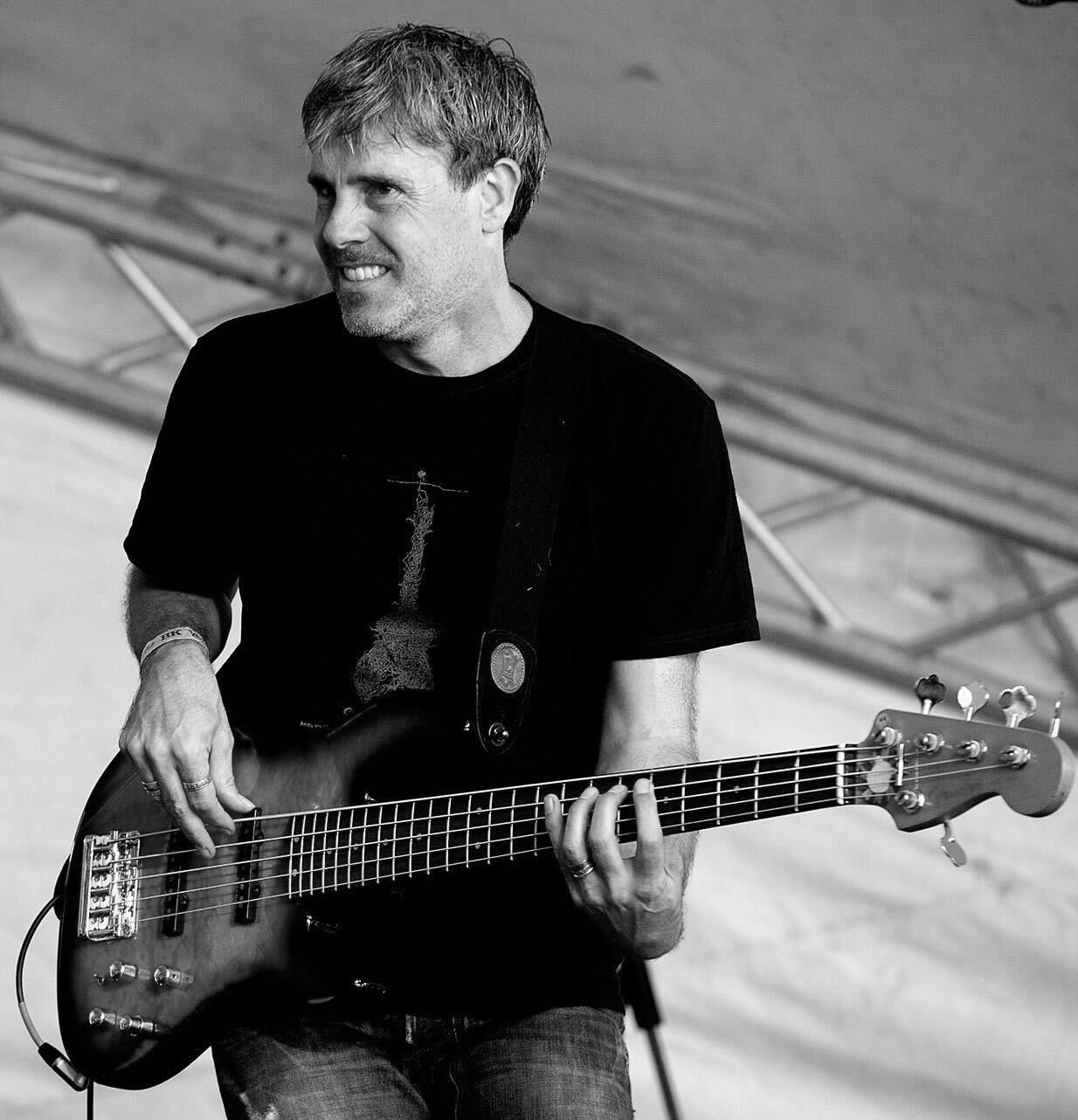
About the Author – Andy Hodge
Andy Hodge is a professional bassist and eBassGuitar coach with over 40 years of experience performing, recording and teaching. One of the UK's most versatile bass players, Andy has worked with artists including Marc Almond, Chris Braide and Geoff Downes, and performed in West End productions such as We Will Rock You and Blood Brothers.
Andy brings a wealth of real-world musical knowledge to Bass Player's Weekly, sharing practical advice to help bass players of all levels improve their skills, build confidence and enjoy making music.
Andy's YouTube Pick This Week:
|
|
|
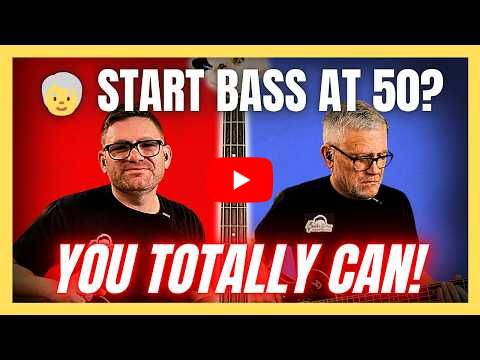
Every week, I'll include a YouTube lesson recommendation. This one will help absolute beginners understand the core ideas of bass playing.
Enjoyed this article? Here are 3 ways we can help you become a better bass player:
1. Get free weekly bass lessons, tips, and inspiration on YouTube →
2. Try eBass+ free for 14 days and follow a structured path to better bass playing. →
3. Get personalised one-to-one coaching and expert feedback from our VIP coaches. →
Responses